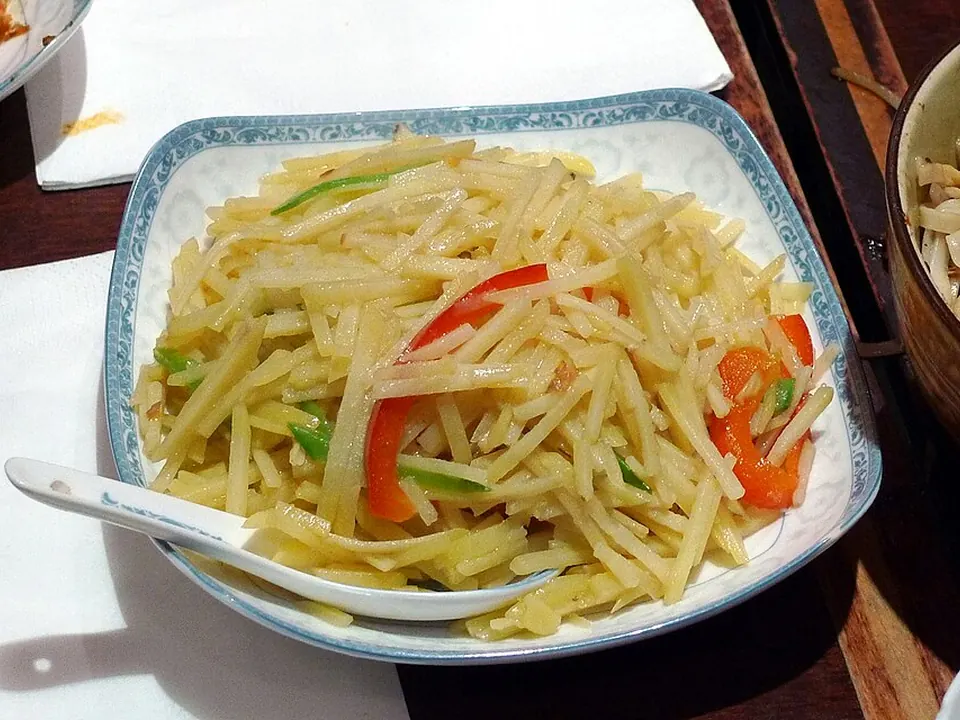
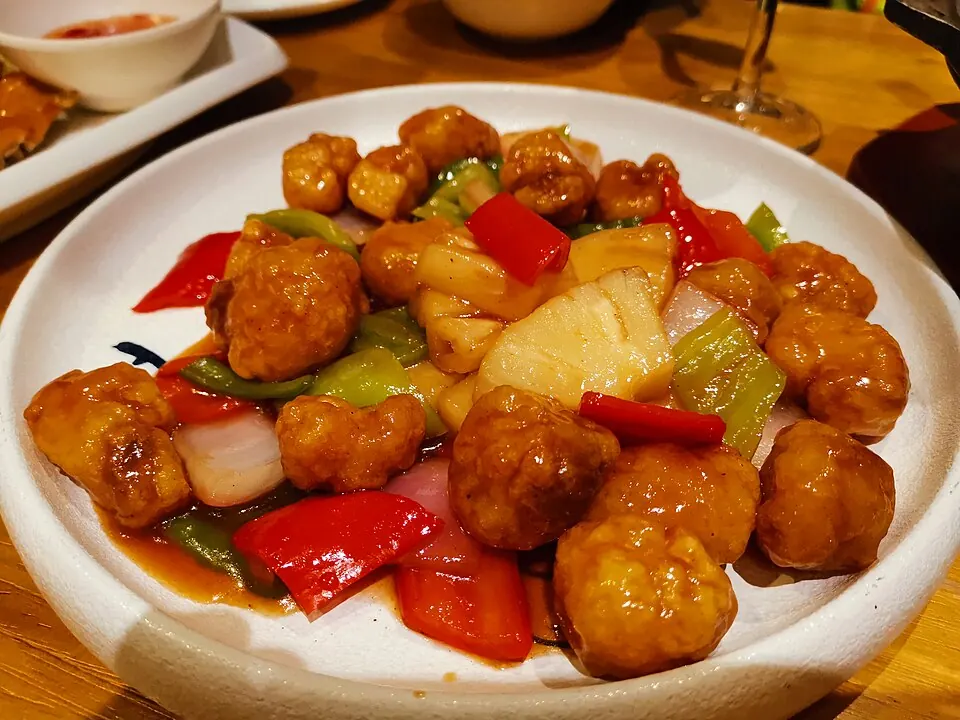
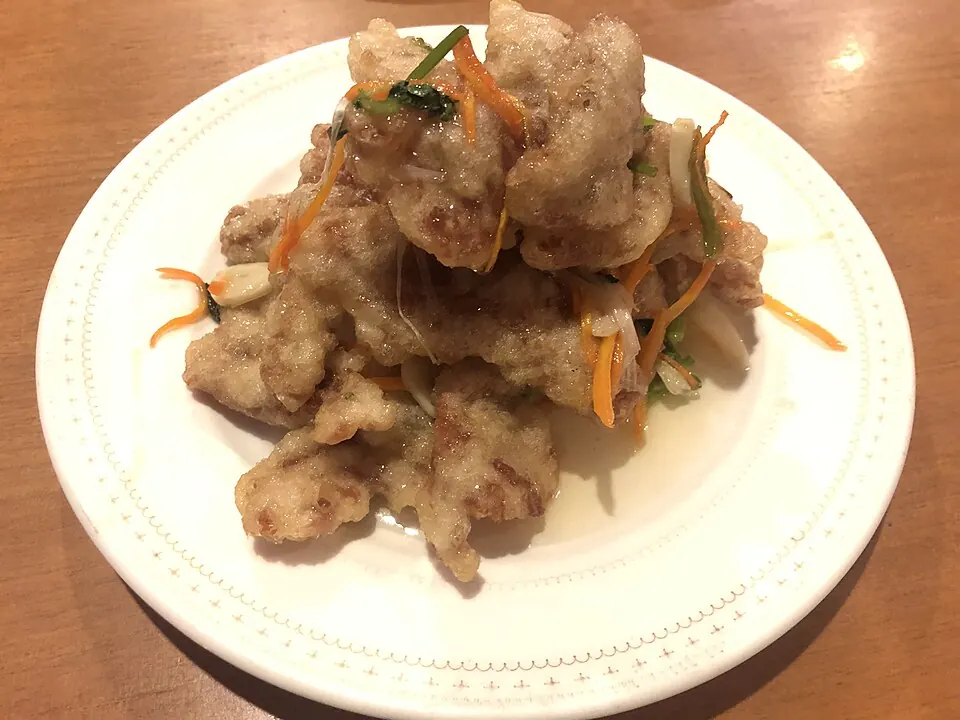
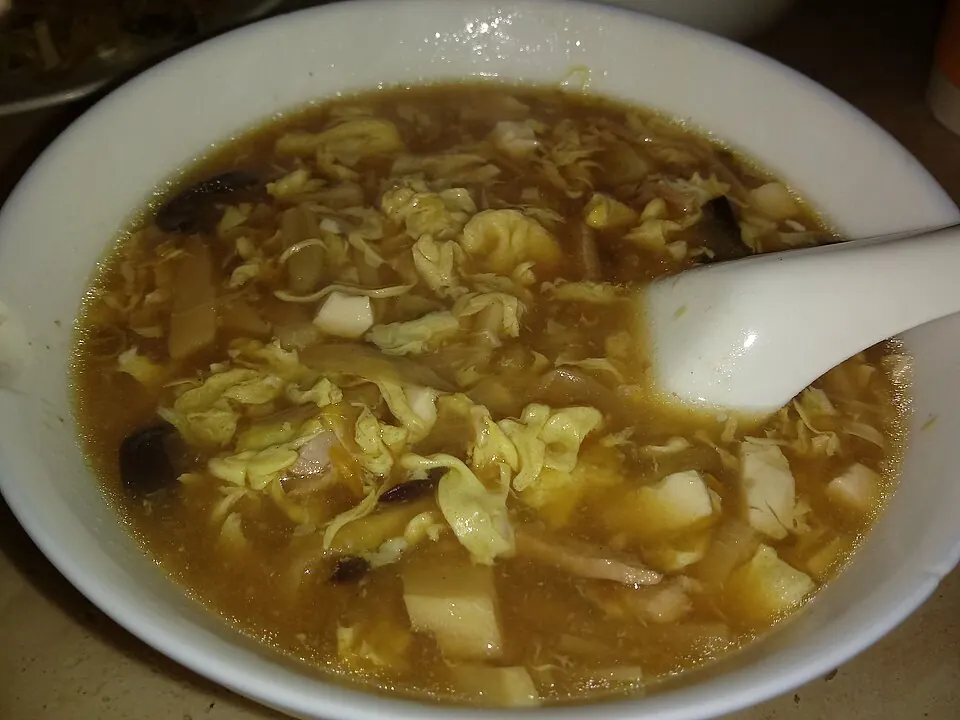
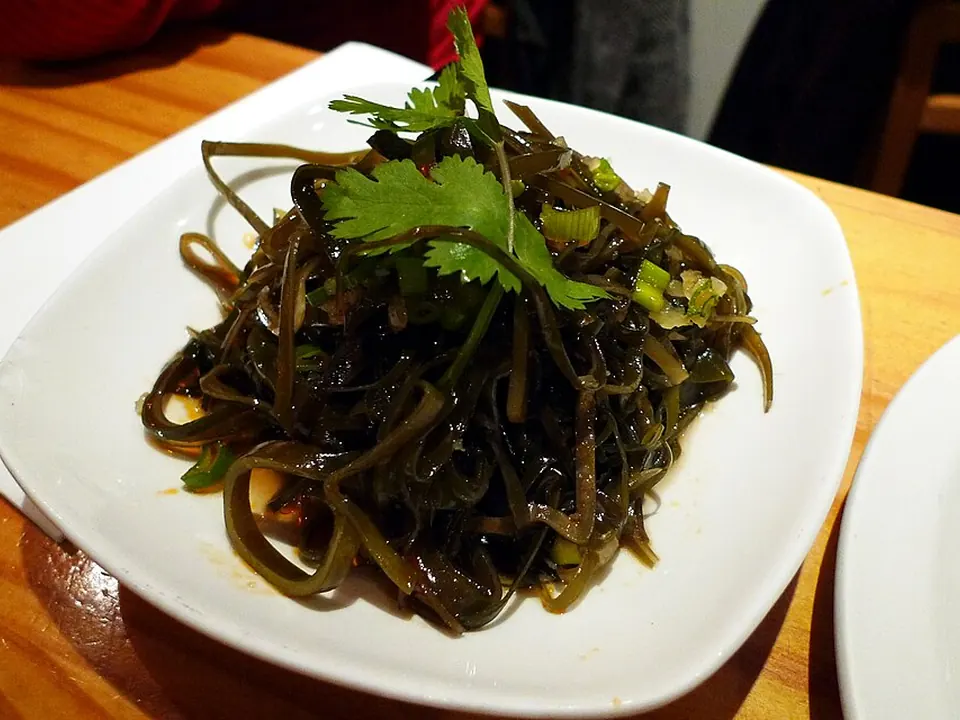
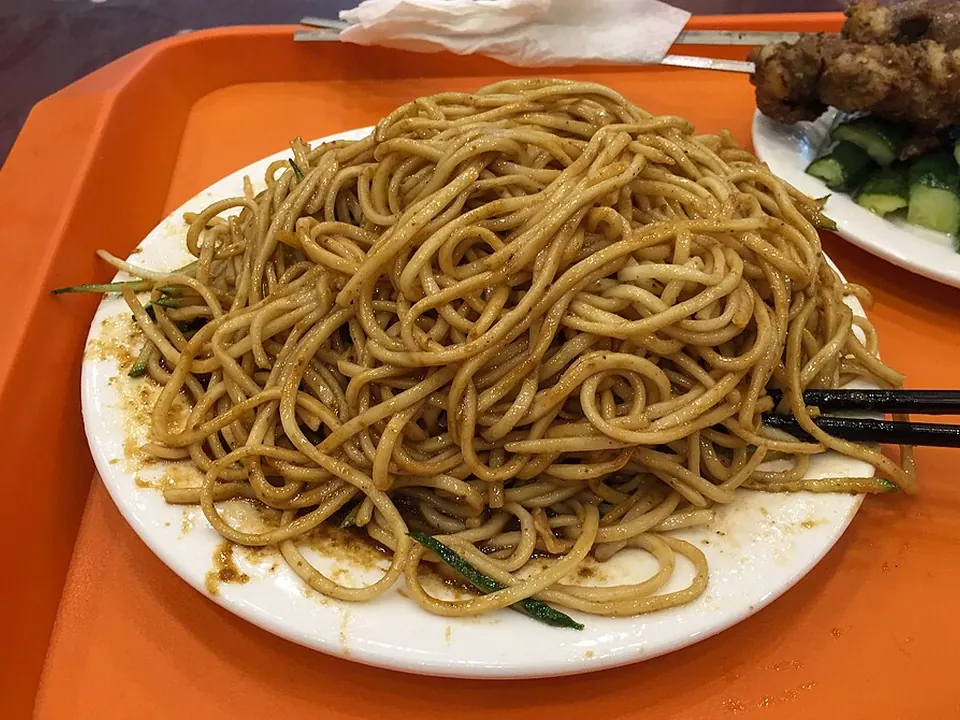
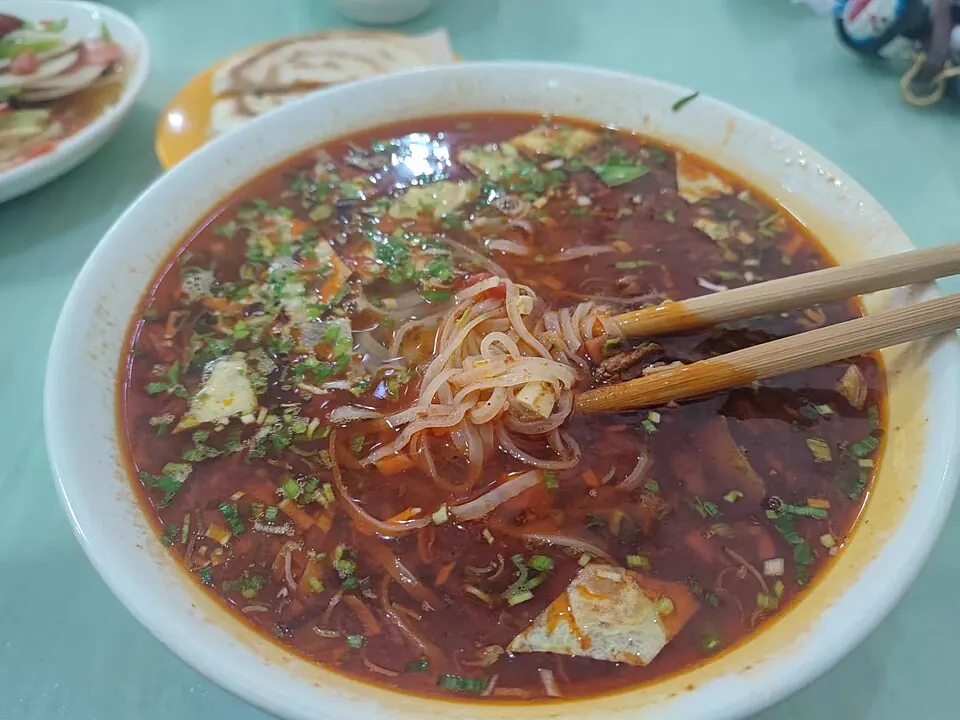
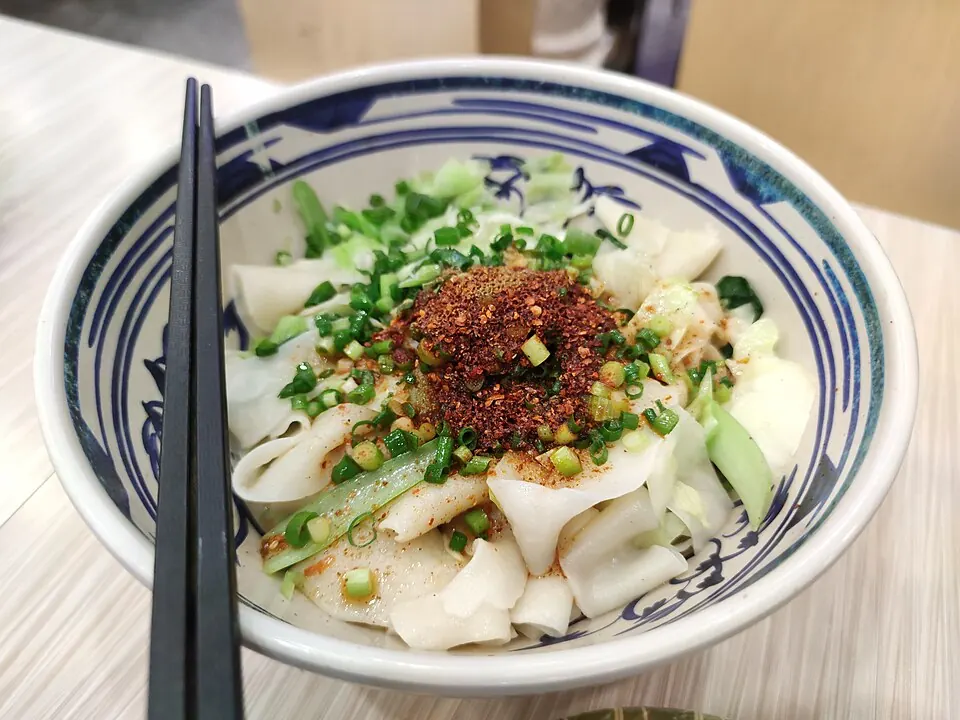
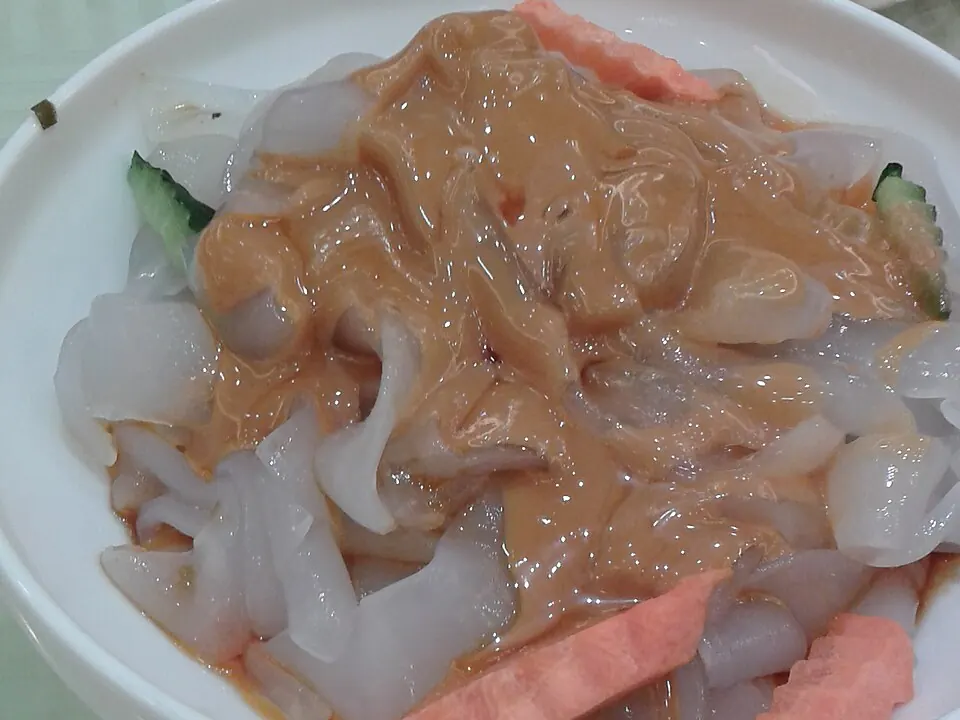
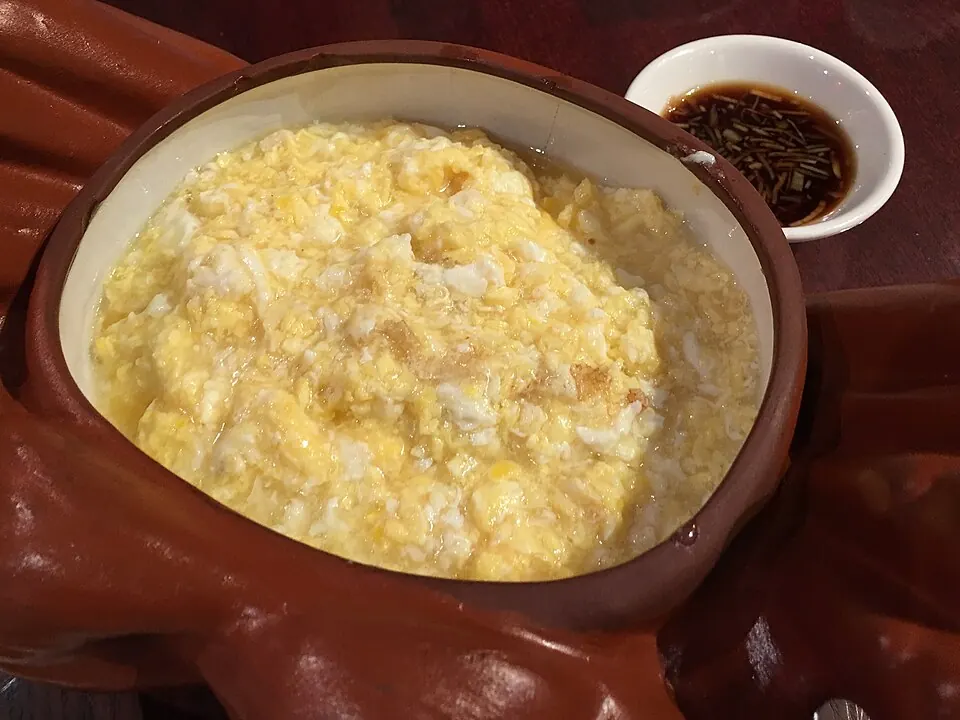
醋, photo 1 of 2
醋, photo 2 of 2

Photo credit

Photo
Chinese Vinegar
By
Brücke-Osteuropa
Licence
CC0
Source
Wikimedia Commons
Changes
Cropped and resized

Photo credit

Photo
Chinkiang vinegar
By
Fumikas Sagisavas
Licence
CC0
Source
Wikimedia Commons
Changes
Cropped and resized

醋

cù
noun HSK 6 #9,239

Measure Word

一瓶醋 píng

Meanings

  1. 1 vinegar
  2. 2 jealousy (figurative)

About the ingredient

调料 Seasonings

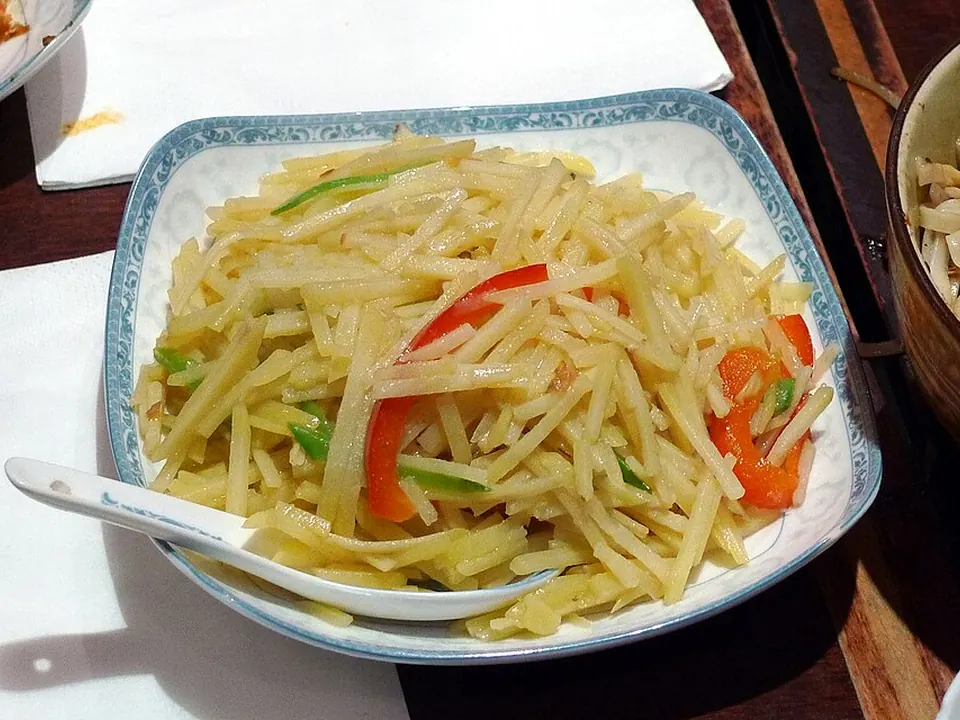
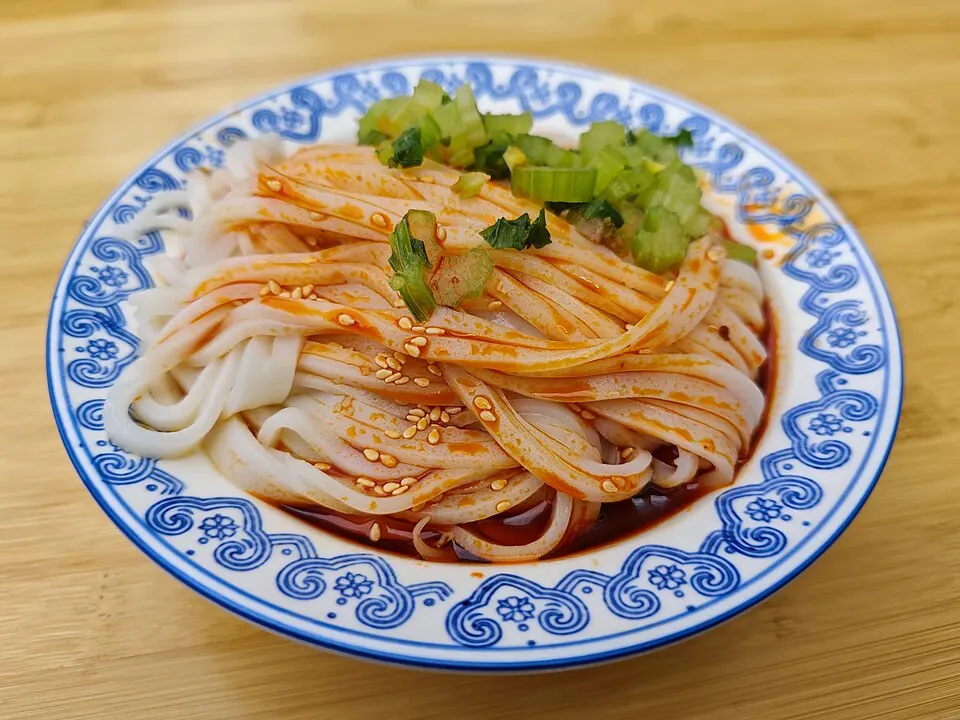
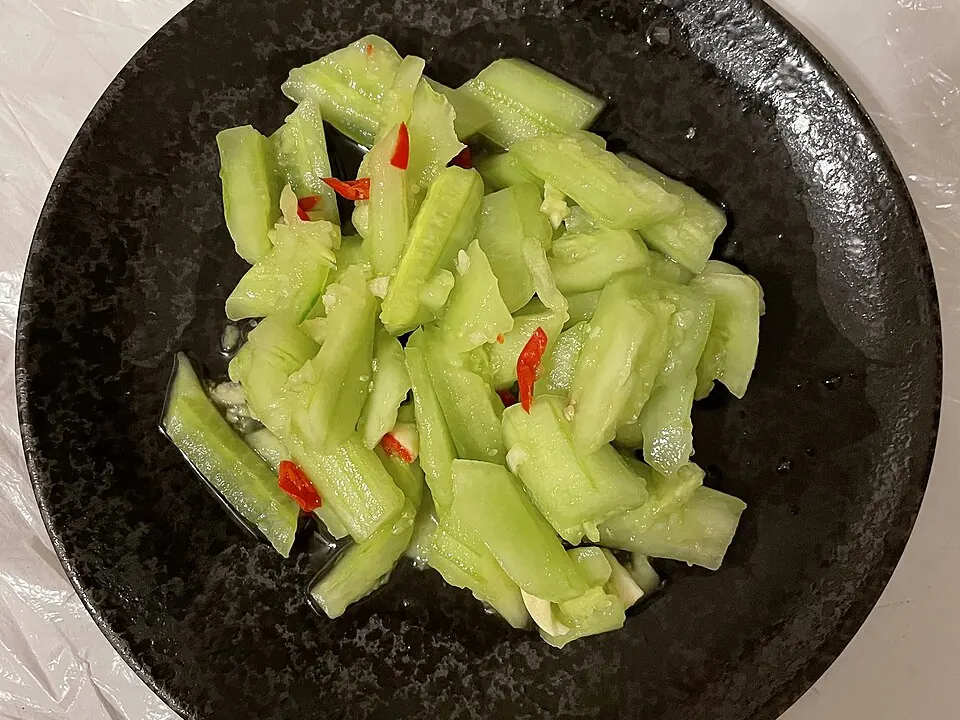
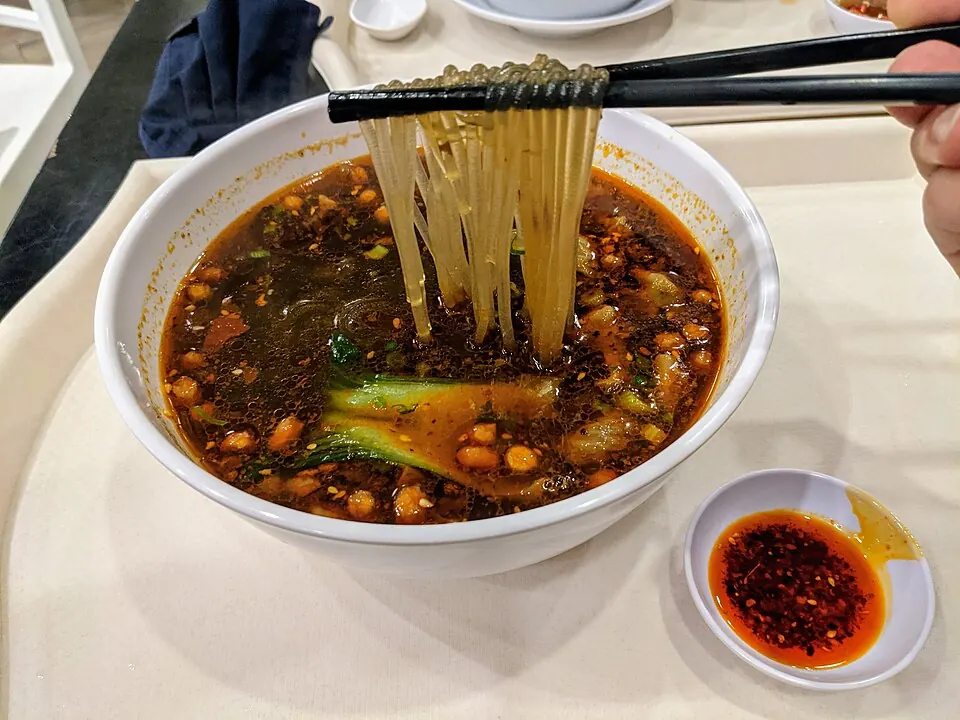
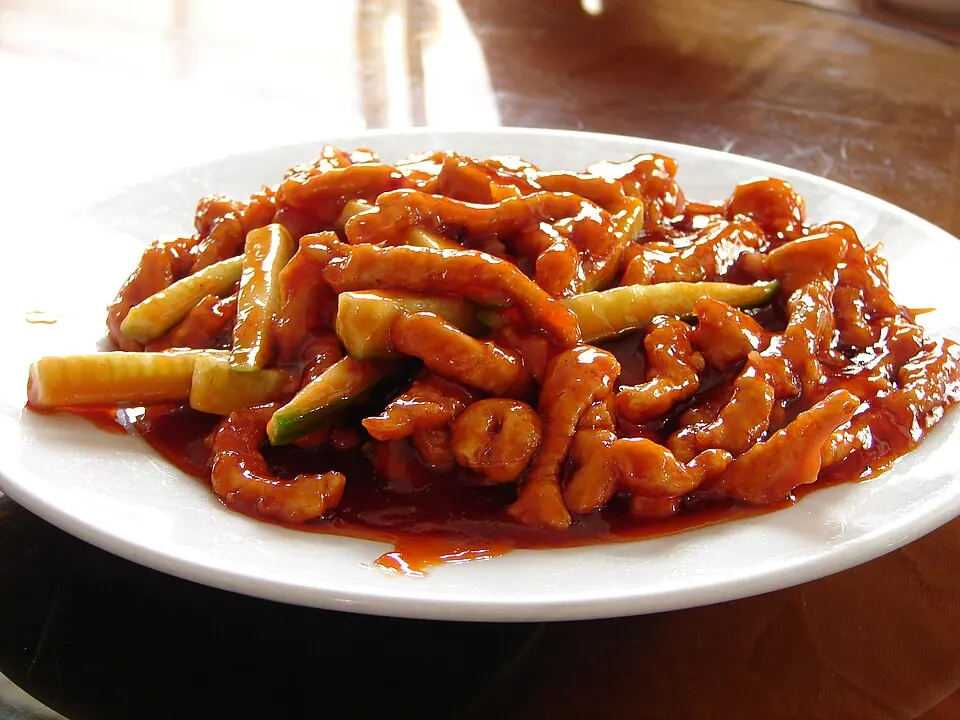
Chinese vinegar is mostly brewed from grain: dark aged vinegar from sorghum in Shanxi, malty black rice vinegar from Zhenjiang, and clear rice vinegar. Cooks use it in dumpling dips, noodles, cold dishes and braises.
Examples

HSK 3
Tā kàndào tā hé biéde nǚshēng shuōhuà jiù chīcù le.
She got jealous seeing him talk with another girl.
HSK 4
Zhè dào cài xūyào jiā yìdiǎn cù.
This dish needs a little vinegar.
HSK 7-9
Chī jiǎozi de shíhou yào zhàn cù.
You should dip dumplings in vinegar when eating them.

Tips

usage
吃醋 (literally 'eat vinegar') means to be jealous, specifically in a romantic context. It's one of the most common Chinese idioms.
memory
The radical 酉 on the left relates to fermentation and alcohol - vinegar is fermented liquid, just like wine.

Components

radical
酉 yǒu
wine jar; tenth Earthly Branch
Left wine-jar radical - pictograph of a narrow-necked fermentation pot. Indexes 醋 in the fermented-liquid family with 酒 alcohol, 酱 sauce, 酸 sour, 酿 to brew. Vinegar is wine left to spoil, so the radical anchors 醋 in exactly the right semantic neighbourhood.
phonetic
昔 xī
former times; in the past
Right side 昔 supplies the sound - xī shifted to cù through Old-Chinese palatal alternation. Same phonetic in 错 wrong, 借 to lend, 措 to arrange, 醋. 昔 also adds quiet flavour: vinegar is wine that has aged into something else, so 'former wine' is a memorable mnemonic.

Stroke Order

醋 cù