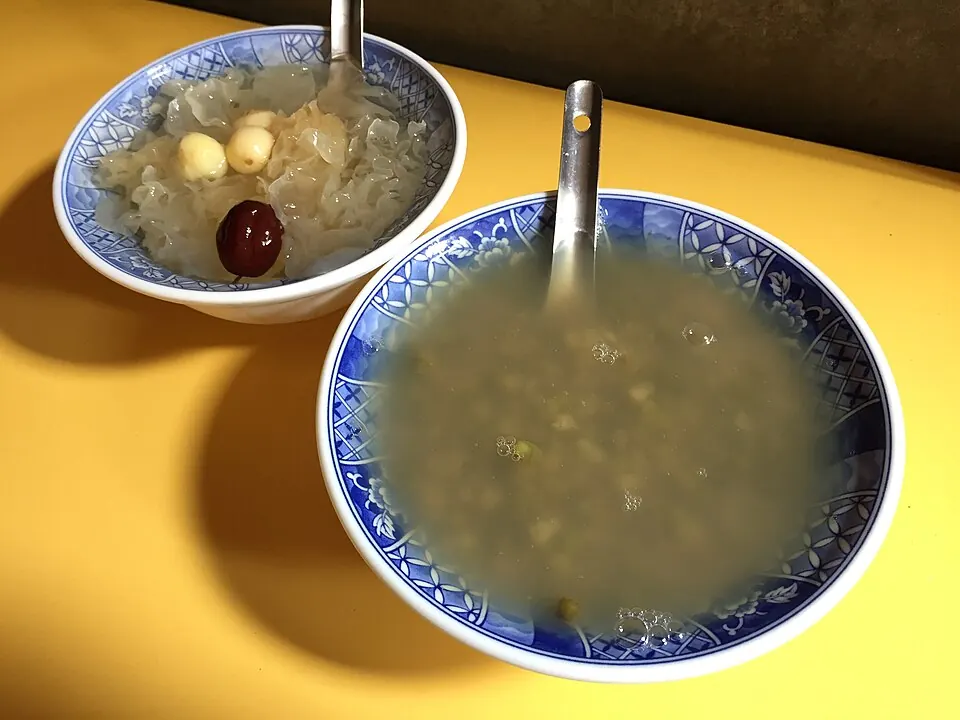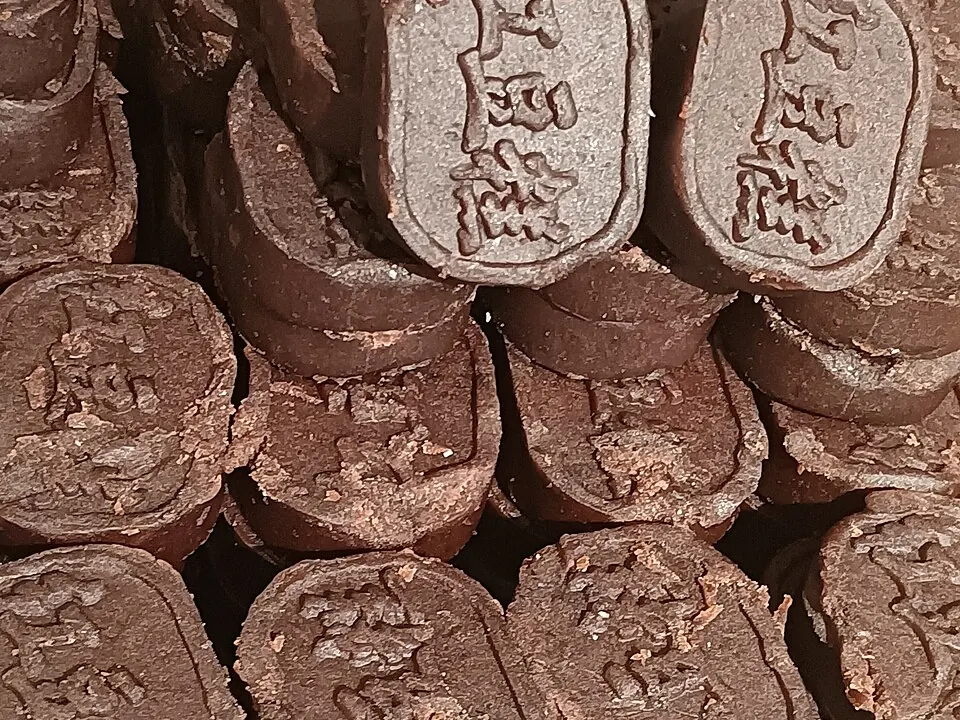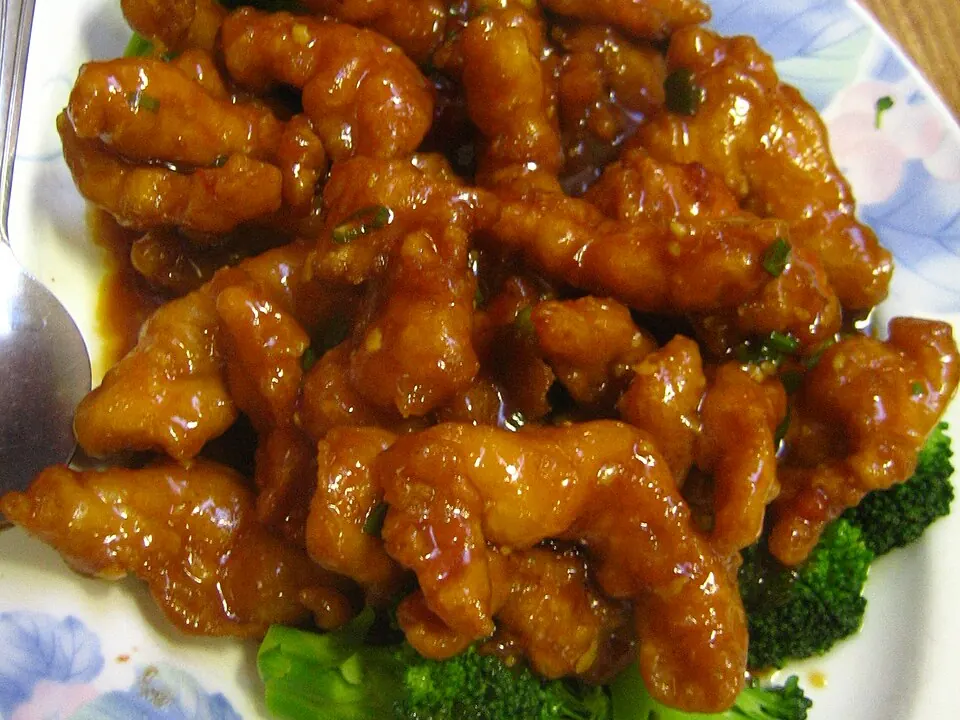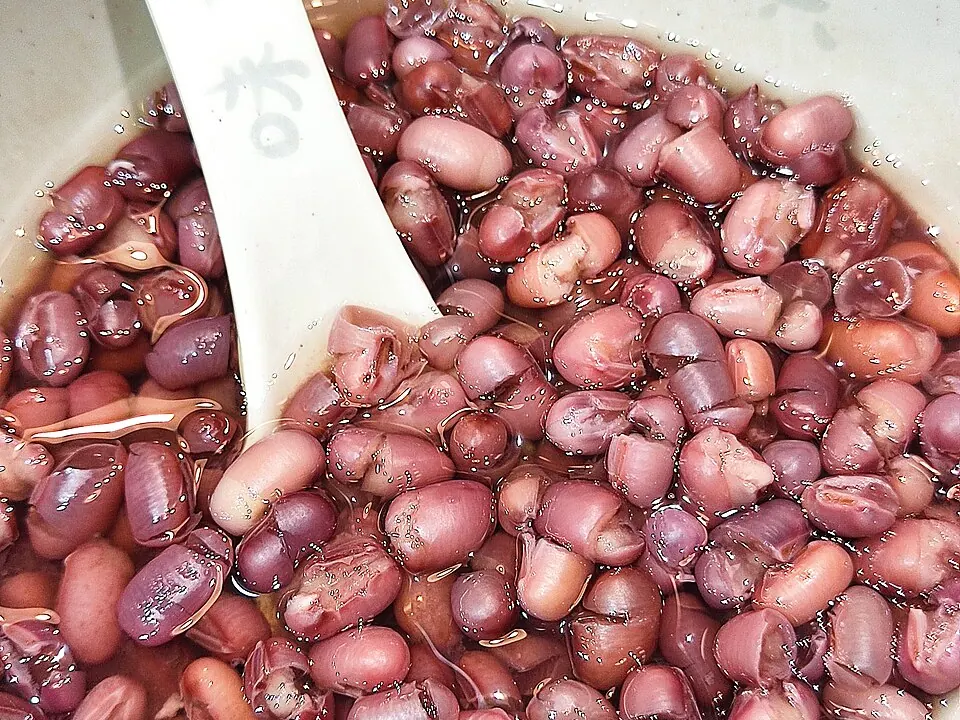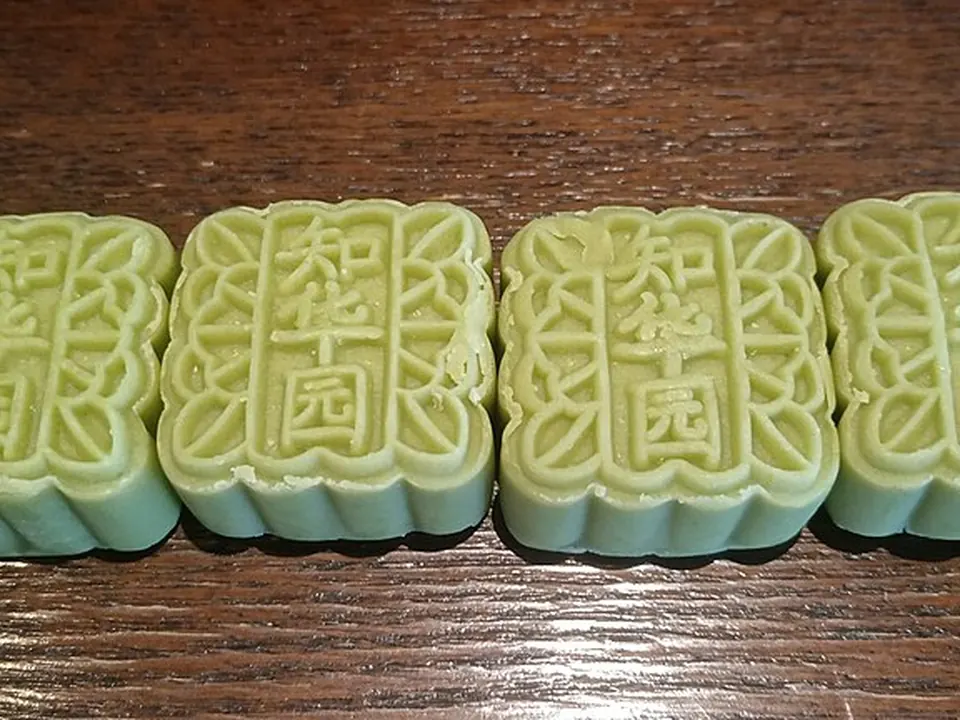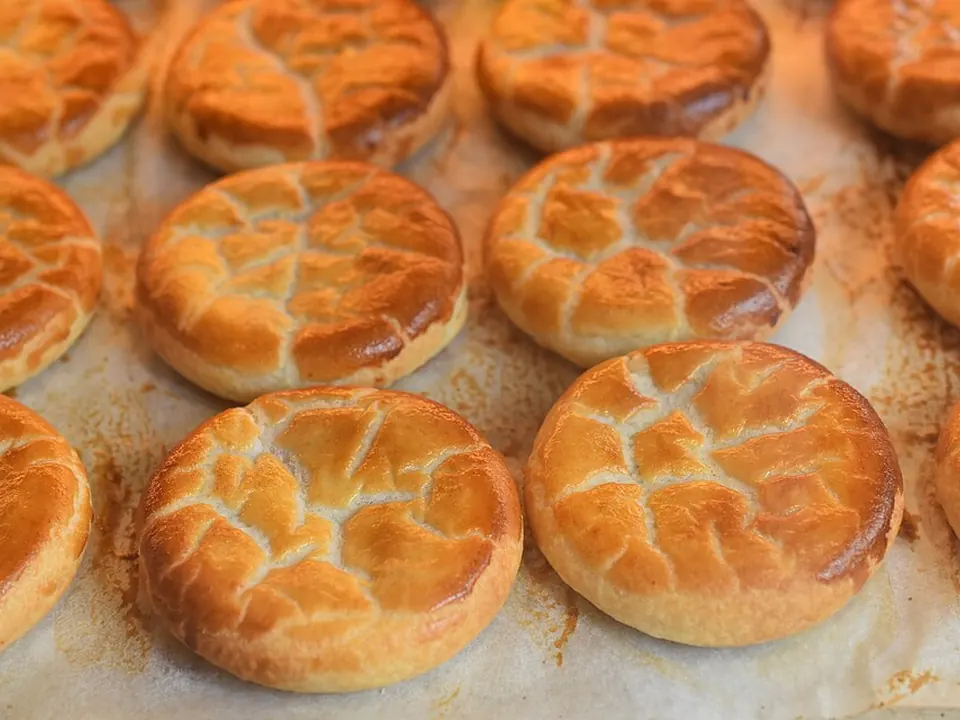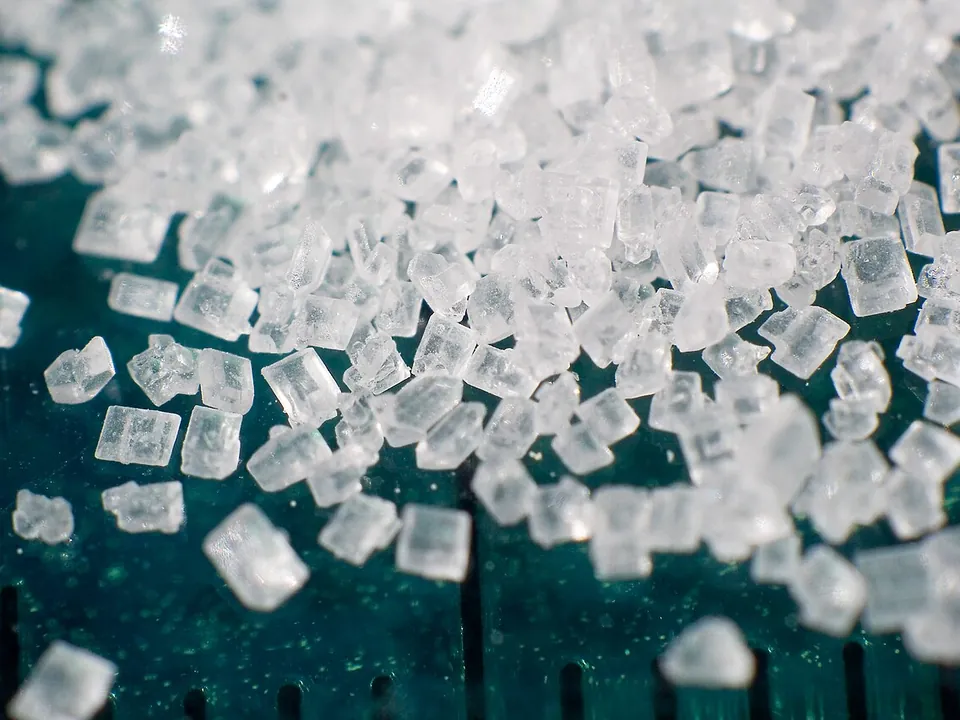
糖, photo 1 of 3
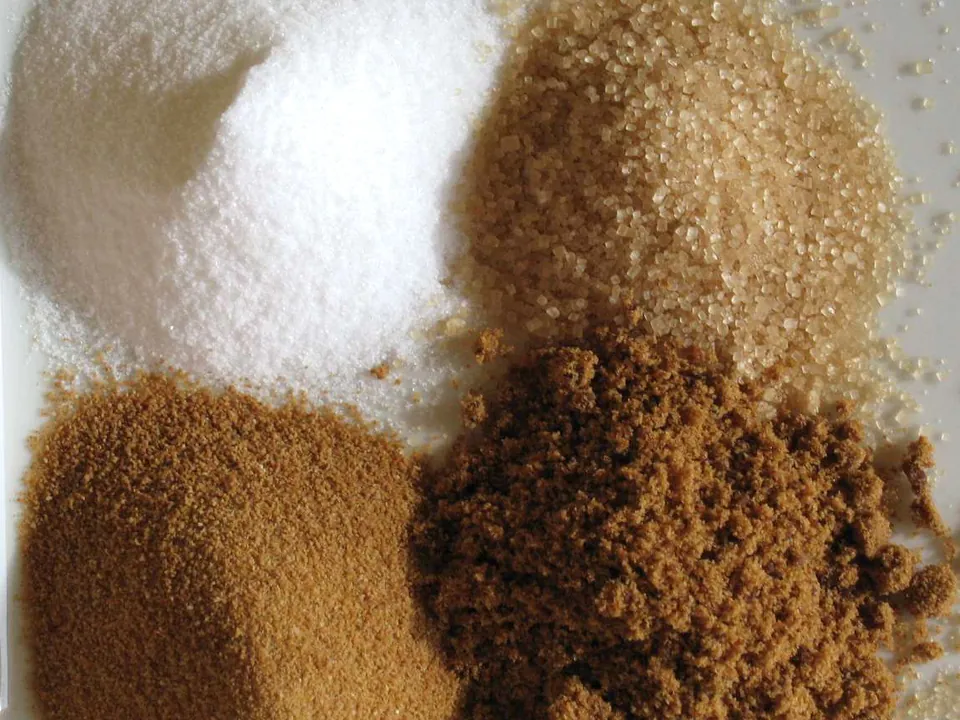
糖, photo 2 of 3
糖, photo 3 of 3

Photo credit

Photo
Sugar 2xmacro
By
Lauri Andler (Phantom)
Licence
CC BY-SA 3.0
Source
Wikimedia Commons
Changes
Cropped and resized

Photo credit

Photo
Sucre blanc cassonade complet rapadura
By
Romain Behar
Licence
Public domain
Source
Wikimedia Commons
Changes
Cropped and resized

Photo credit

Photo
Sugar cubes V1
By
Poyraz 72
Licence
CC BY-SA 4.0
Source
Wikimedia Commons
Changes
Cropped and resized

糖

táng
noun HSK 3 #1,742

Measure Word

一块糖 kuài

Meanings

  1. 1 sugar
  2. 2 candy; sweets

About the ingredient

调料 Seasonings

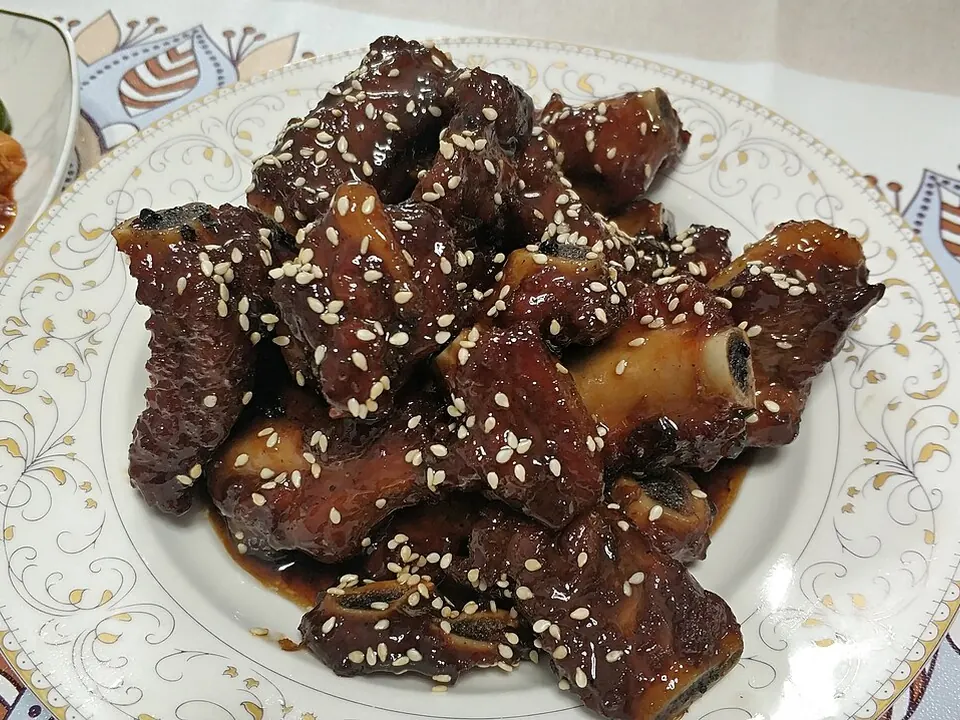
The general word for sugar, white, brown or rock. Chinese cooks also add it to savoury dishes, and Shanghai cooking mixes it into soy sauce, so braises there come out slightly sweet.
Characters

Contains the rice radical 米, since sugar was historically made from sugarcane and grains.

Examples

HSK 1
Xiǎopéngyou dōu xǐhuan chī táng.
Little kids all like eating candy.
HSK 3
Nǐ yào jiā táng ma?
Do you want to add sugar?
HSK 3
Zhège tài tián le, táng fàng duō le.
This is too sweet, too much sugar was added.

Tips

culture
糖葫芦 - candied hawthorn berries on a stick - is a beloved traditional Chinese street snack, especially popular in winter in northern China.

Components

radical
米 mǐ
rice; grain
Left-side rice radical - the indexing component, marking the food/grain origin of sugar. Early Chinese sweeteners were grain-based syrups (麦芽糖, malt sugar from barley) long before cane sugar reached the country, so any sweetener was filed under 米. Same family: 粉 (powder), 粥 (porridge), 粽 (rice dumpling).
phonetic
唐 táng
Tang dynasty; vast
Right-side 唐 supplies the sound táng - a clean phonetic match with no tone shift. No semantic link to the Tang dynasty, but a useful mnemonic since cane-sugar refining did spread across China during Tang-era trade with Southeast Asia. Same phonetic group: 塘 (pond), 搪 (evade), 膛 (chest cavity).

Stroke Order

糖 táng