
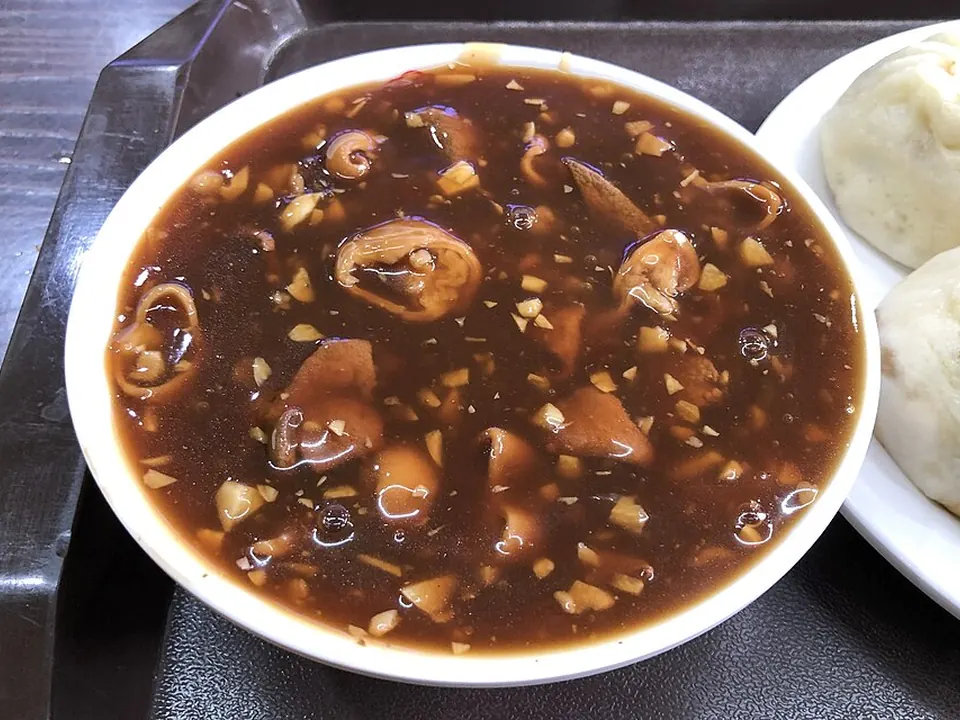
炒肝, photo 1 of 3
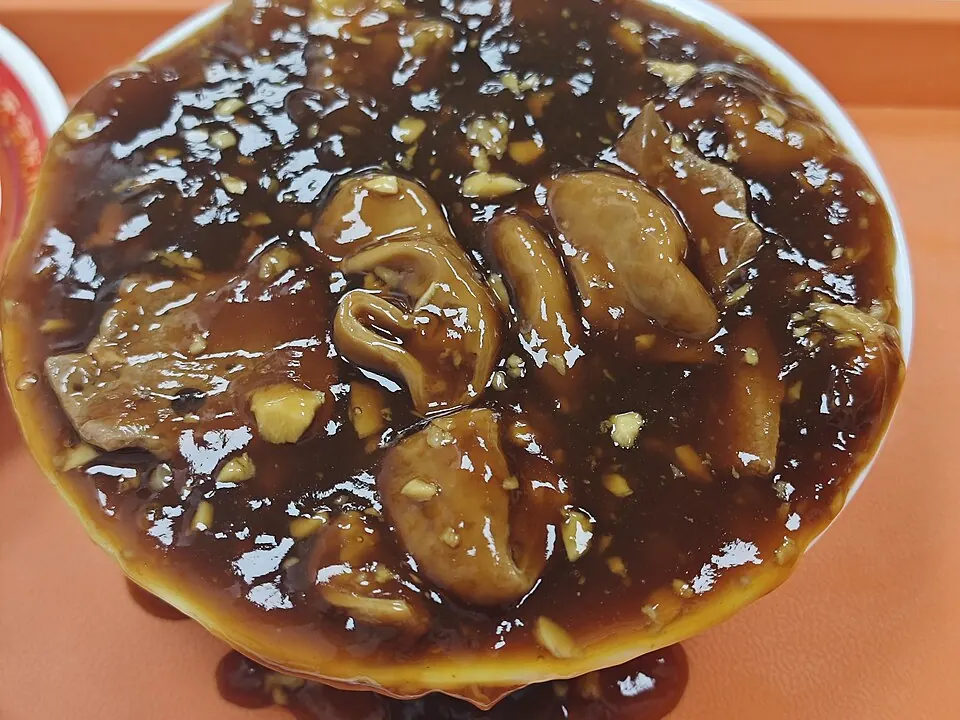
炒肝, photo 2 of 3
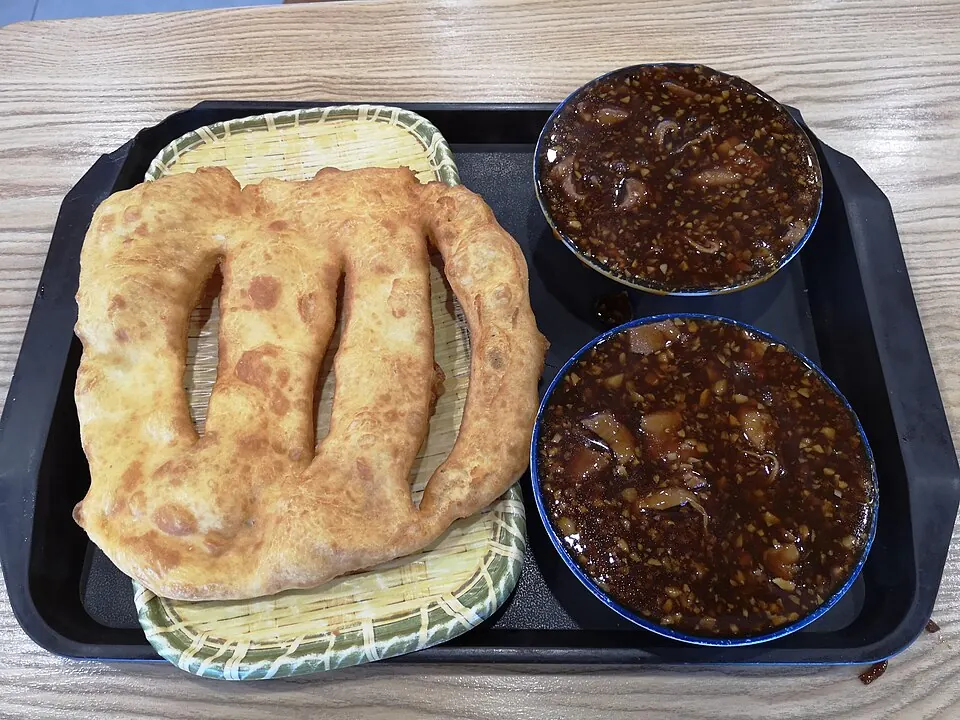
炒肝, photo 3 of 3
Typical photo

Photo credit

Photo
Chaoganr at Miaojiapo Restaurant (20201105150908)
By
N509FZ
Licence
CC BY-SA 4.0
Source
Wikimedia Commons
Changes
Cropped and resized

Photo credit

Photo
一碗炒肝
By
蓝芷怡
Licence
CC BY 4.0
Source
Wikimedia Commons
Changes
Cropped and resized

Photo credit

Photo
Beijing traditional breakfast Chaogan Youbing
By
Lixshnew
Licence
CC BY-SA 4.0
Source
Wikimedia Commons
Changes
Cropped and resized

炒肝

chǎogān
noun Not spicy

Meanings

  1. 1 chao gan
  2. 2 stewed pork liver and intestines

About the dish

京菜 Beijing · 小吃 Snack

Pieces of pork intestine and a little liver in a thick, glossy, garlicky gravy, eaten in Beijing for breakfast with small steamed buns. Despite 炒 in the name it is a stew, not a stir-fry. The offal taste is strong.

Examples

HSK 6
Zǎoshang lái yì wǎn chǎogān pèi bāozi zuì dìdao.
A bowl of chao gan with baozi in the morning is the most authentic.
HSK 7-9
Chǎogān qíshí búshì chǎo de, shì gōuqiàn zhǔ de.
Chao gan isn't actually stir-fried - it's simmered with a starch-thickened sauce.

Tips

culture
Despite the name 炒 ('stir-fry'), 炒肝 is actually a stew, pork liver and intestines in a garlic-heavy broth thickened with cornstarch. It was invented around 1900 at Beijing's 会仙居 shop and is traditionally slurped from the bowl's rim without chopsticks. It's paired with pork buns (包子) in classic Beijing breakfasts.

Stroke Order

炒 chǎo
肝 gān