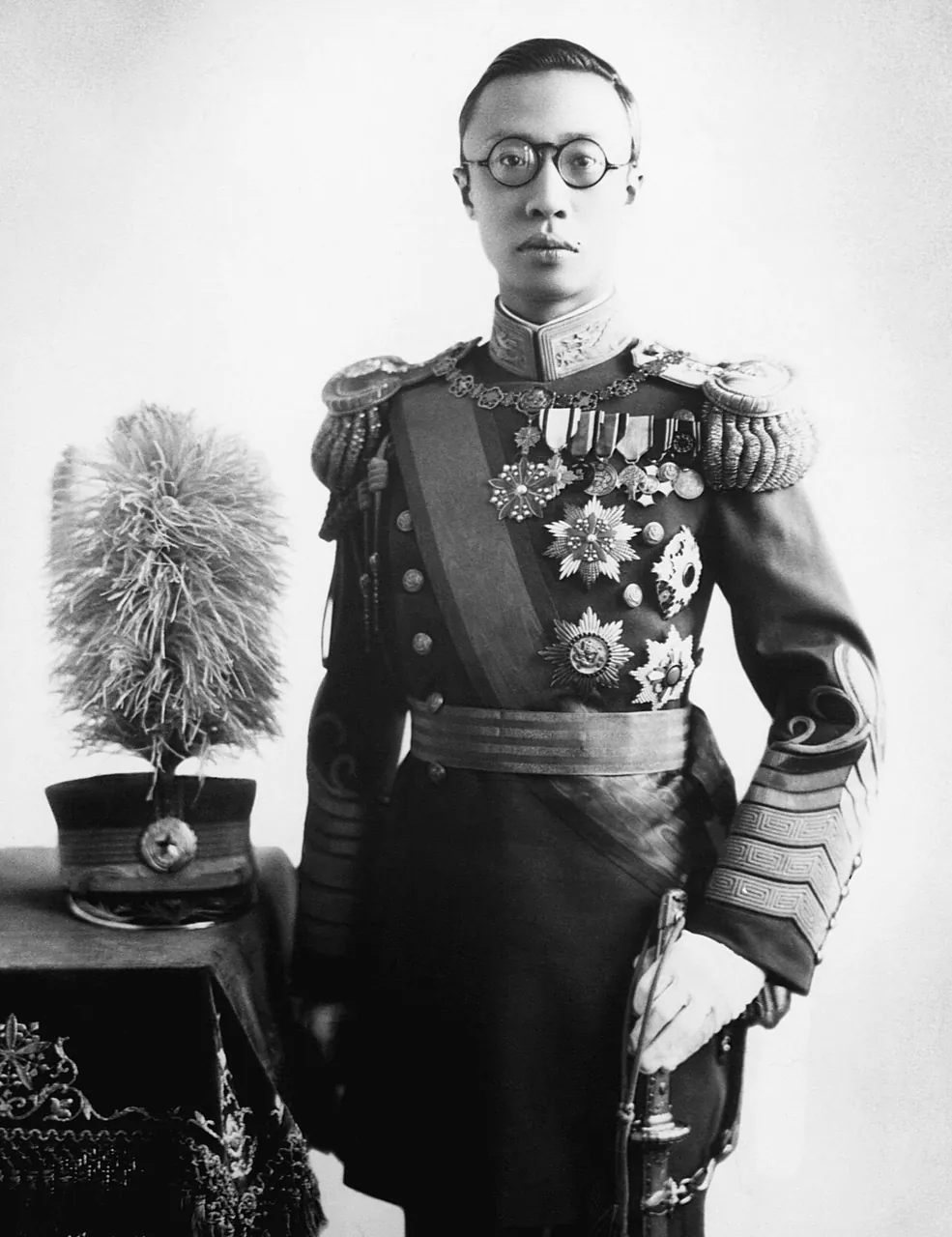
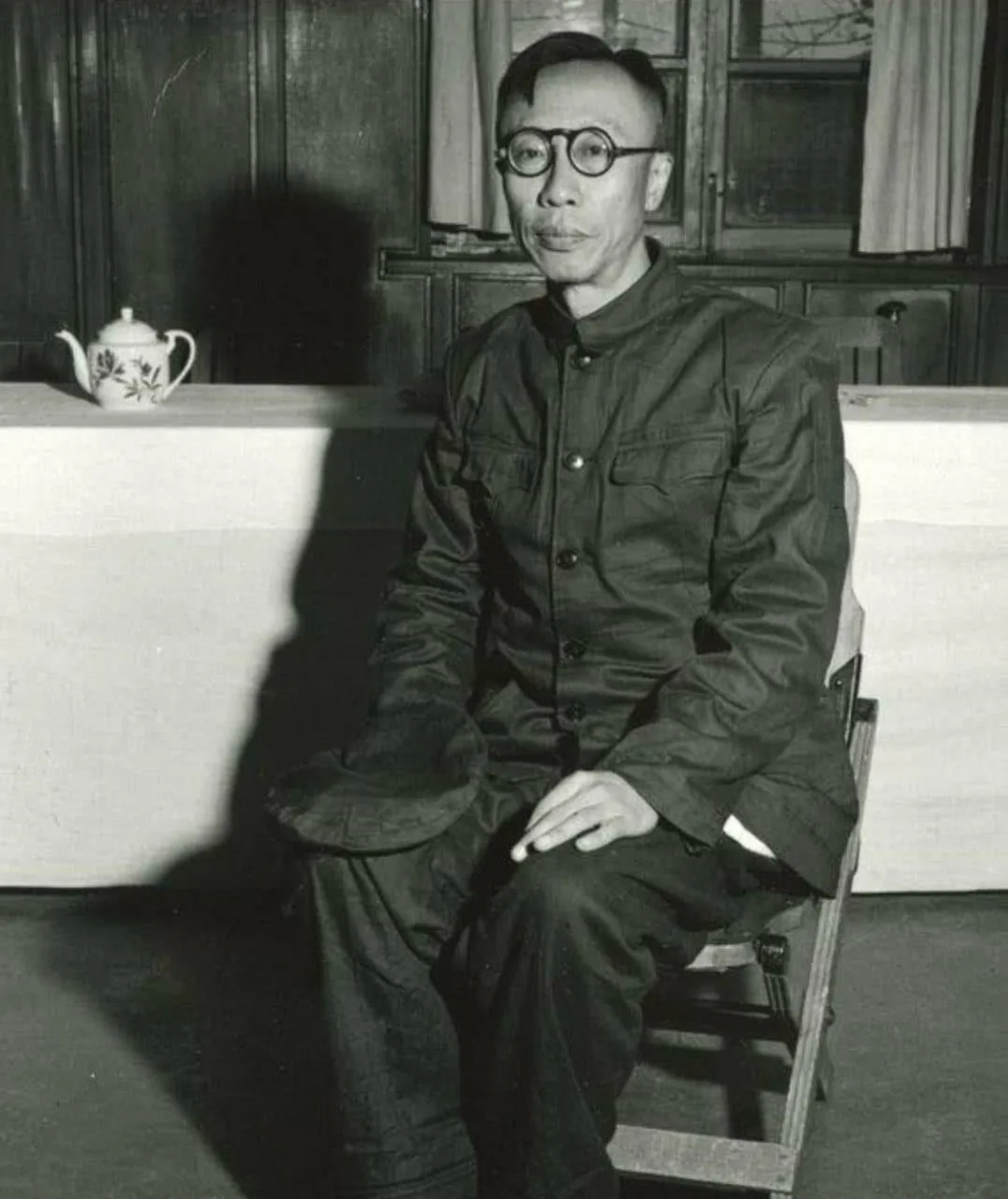
1Puyi, last emperor of the Qing dynasty and of imperial China, reigned 1908-1912 as the Xuantong Emperor, later installed by Japan as puppet ruler of Manchukuo
The last emperor of China, put on the throne at two and made to abdicate in 1912. Japan later set him up as ruler of 满洲国 (Manchukuo); after years in prison in the PRC he wrote the memoir 我的前半生.
Diànyǐng 《 Mòdài huángdì 》 jiǎngshù le Pǔyí de yìshēng.
The film The Last Emperor tells the story of Puyi's life.
Tips
history
He sat on the throne a second time, for 12 days in 1917, when the general 张勋 restored him, and was driven out of the Forbidden City in 1924. Pardoned in 1959, he worked at the Beijing Botanical Garden, tending plants and selling tickets.
culture
Bertolucci's 1987 film 《末代皇帝》 (The Last Emperor), the first Western feature allowed to film inside the Forbidden City, won nine Academy Awards. 末代皇帝, 'last-generation emperor', has become a byname for him.