
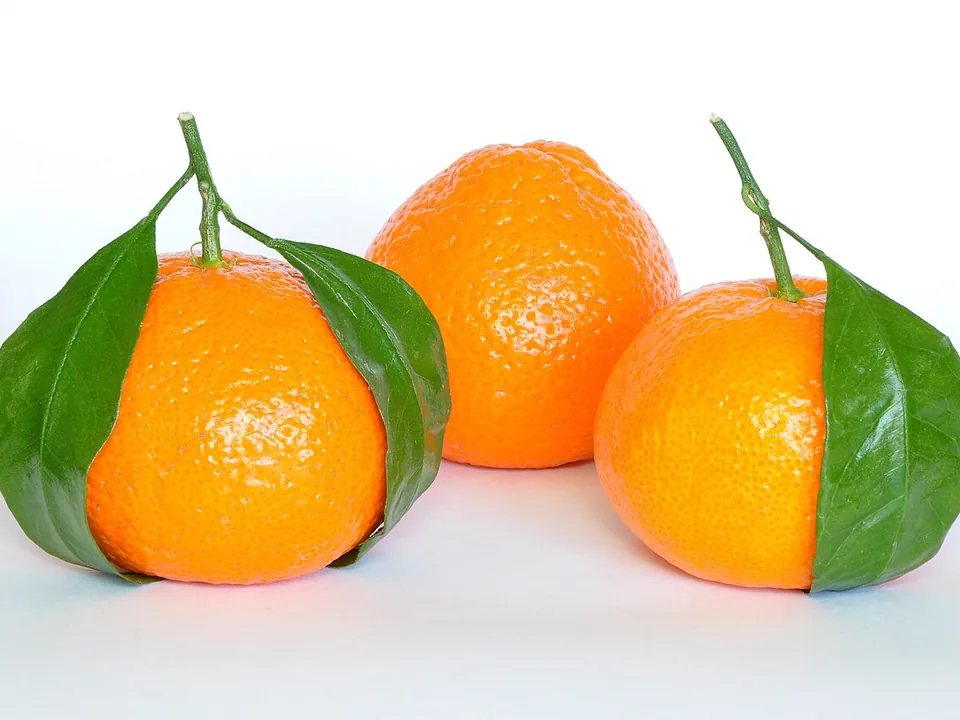
橘子, photo 1 of 2
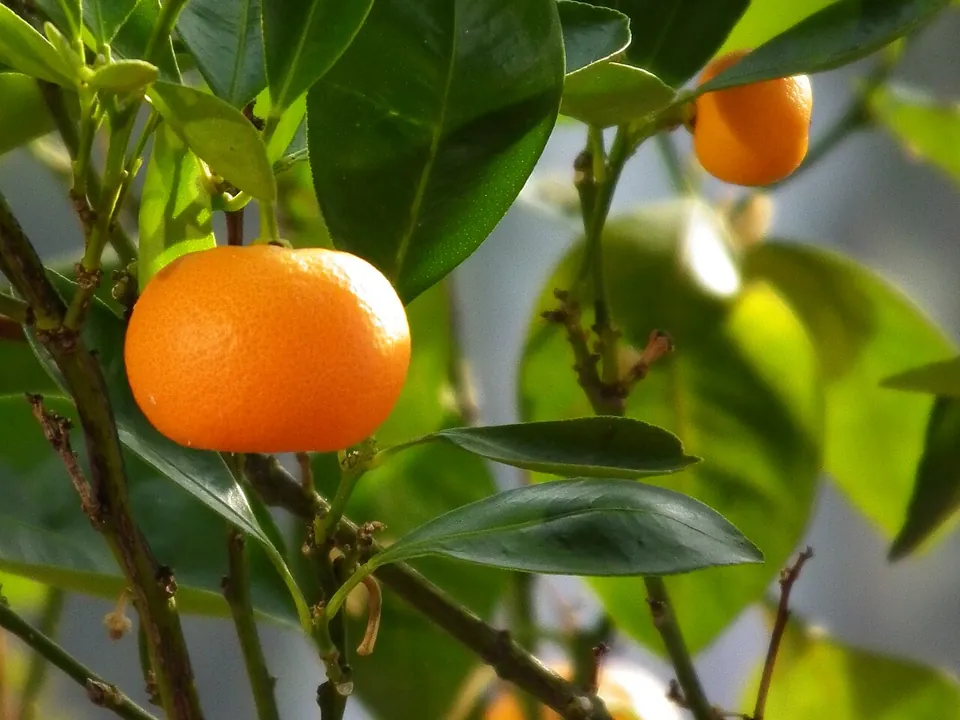
橘子, photo 2 of 2

Photo credit

Photo
Mandarin Oranges (Citrus Reticulata)
By
Joe Ravi
Licence
CC BY-SA 3.0
Source
Wikimedia Commons
Changes
Cropped and resized

Photo credit

Photo
Citrus reticulata April 2013 Nordbaden
By
4028mdk09
Licence
CC BY-SA 3.0
Source
Wikimedia Commons
Changes
Cropped and resized

橘子

júzi
noun HSK 5 #7,754

Measure Word

Meanings

  1. 1 tangerine; mandarin orange

About the ingredient

水果 Fruit · In season: autumn and winter

Loose-skinned mandarins that peel by hand, ripe from October to December. Mostly eaten raw, and also canned or candied; the dried peel of some kinds becomes the seasoning 陈皮.

Also called  桔子、 橘、 桔

Characters

橘 (tangerine) + 子 (noun suffix). Note: 桔 is a common simplified variant of 橘.

Examples

HSK 3
Zhèxiē júzi zhēn tián.
These tangerines are really sweet.
HSK 3
Nánfāng rén guònián de shíhou xǐhuan mǎi júzi.
Southern Chinese like to buy tangerines for Chinese New Year.

Tips

culture
橘子 and 桔子 are interchangeable. Tangerines are lucky fruits for Chinese New Year because 橘/桔 sounds like 吉 (lucky). In Cantonese, 柑 (mandarin orange) sounds like 金 (gold). That's why you see piles of oranges everywhere during Spring Festival.

Stroke Order

橘 jú
子 zǐ