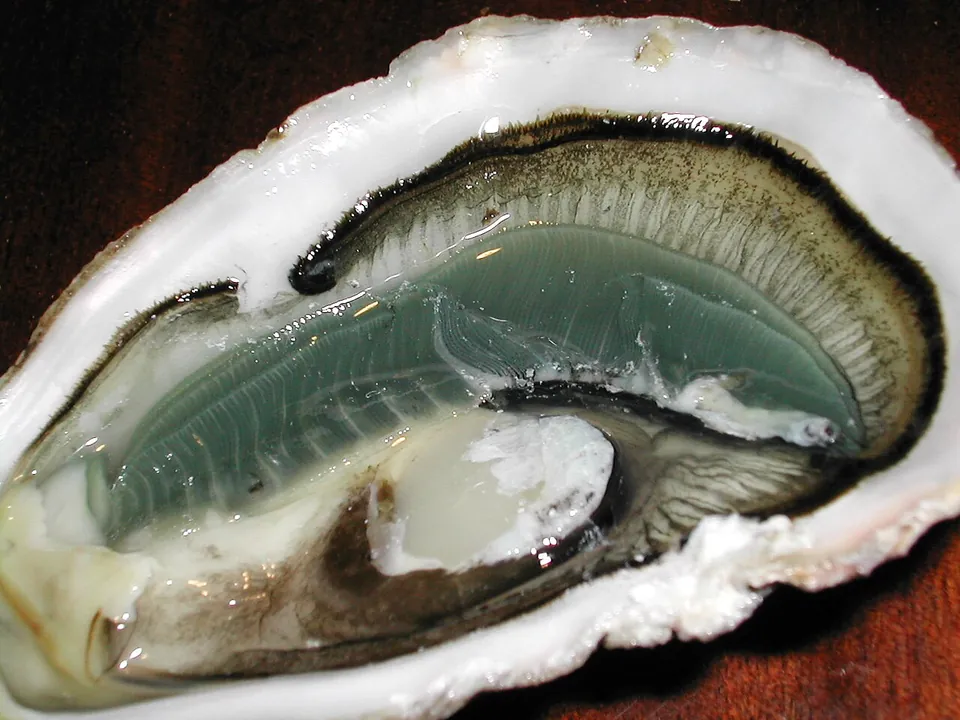
蚝 is the southern Chinese word for oyster, dominant in Cantonese cuisine - 蚝油 (oyster sauce) and 蚝煎 (oyster omelette) are classic dishes. The northern/standard term is 牡蛎, more common in scientific contexts.
memory
蚝 = 虫 ('insect/creature' radical, used for many small animals) + 毛 ('hair') as phonetic. The 虫 radical signals seafood/marine creature.
The bug radical labels 蚝 as a small creature - Chinese groups oysters with shellfish and worms under 虫 rather than with fish. Same radical anchors 蛇 snake, 蚂 ant, 蛀 wood-borer.
Right side supplies the sound: máo → háo (initial shift but rhyme intact). 毛 hints faintly at the shaggy, encrusted look of an oyster reef; the simplified glyph replaced the older 蠔 form's heavier phonetic 豪.
Iconic Cantonese-origin condiment now used across Chinese cooking; brand 李锦记 (Lee Kum Kee) was founded in 1888 when its inventor accidentally simmered oysters too long.