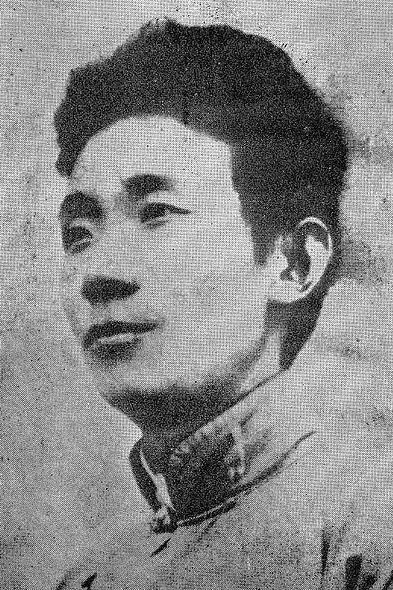
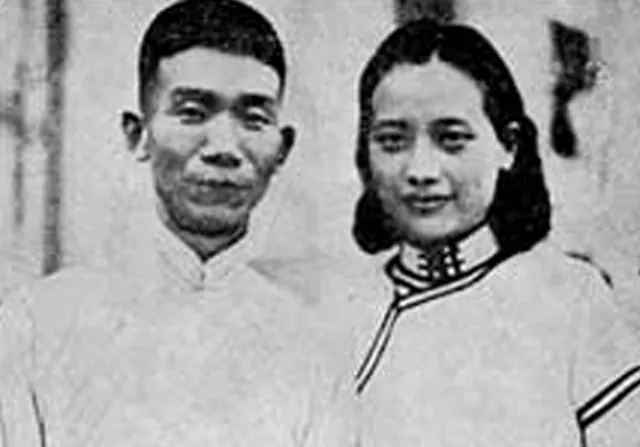
May Fourth era writer whose story 《沉沦》 (1921) shocked readers with its frankness; his essay 《故都的秋》 is read in Chinese schools. He was killed in Sumatra in 1945, most likely by the Japanese military police.
After Singapore fell in 1942 he hid in a Sumatran town under the alias 赵廉, ran a brewery, and ended up interpreting for the Japanese military police as one of the few local Chinese who spoke Japanese.
culture
His fiction follows the confessional Japanese 'I-novel', 私小説 (watakushi shōsetsu). 《沉沦》 ends with its hero by the sea crying 祖国呀祖国!我的死是你害我的!, 'Motherland, my death is your doing!', and begging China to grow rich and strong.