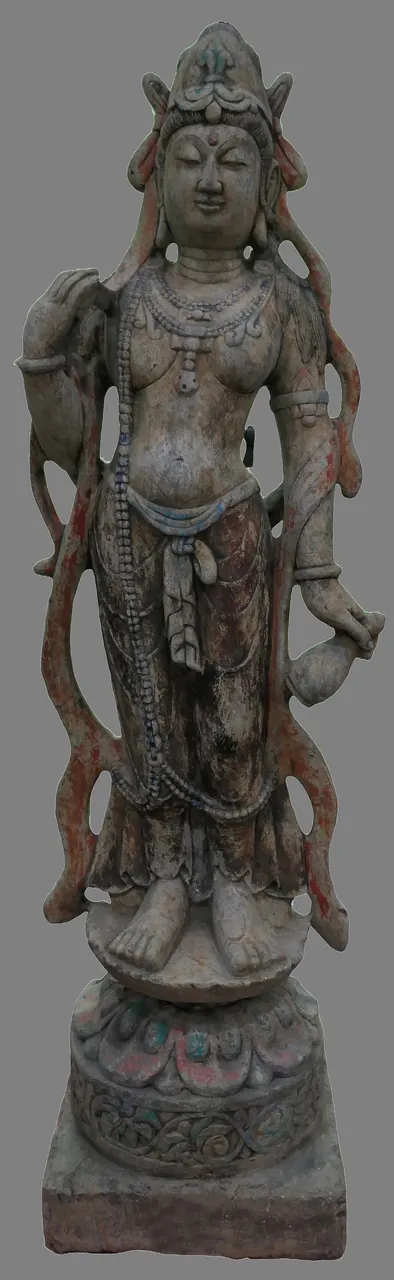
Guanyin, photo 1 of 3
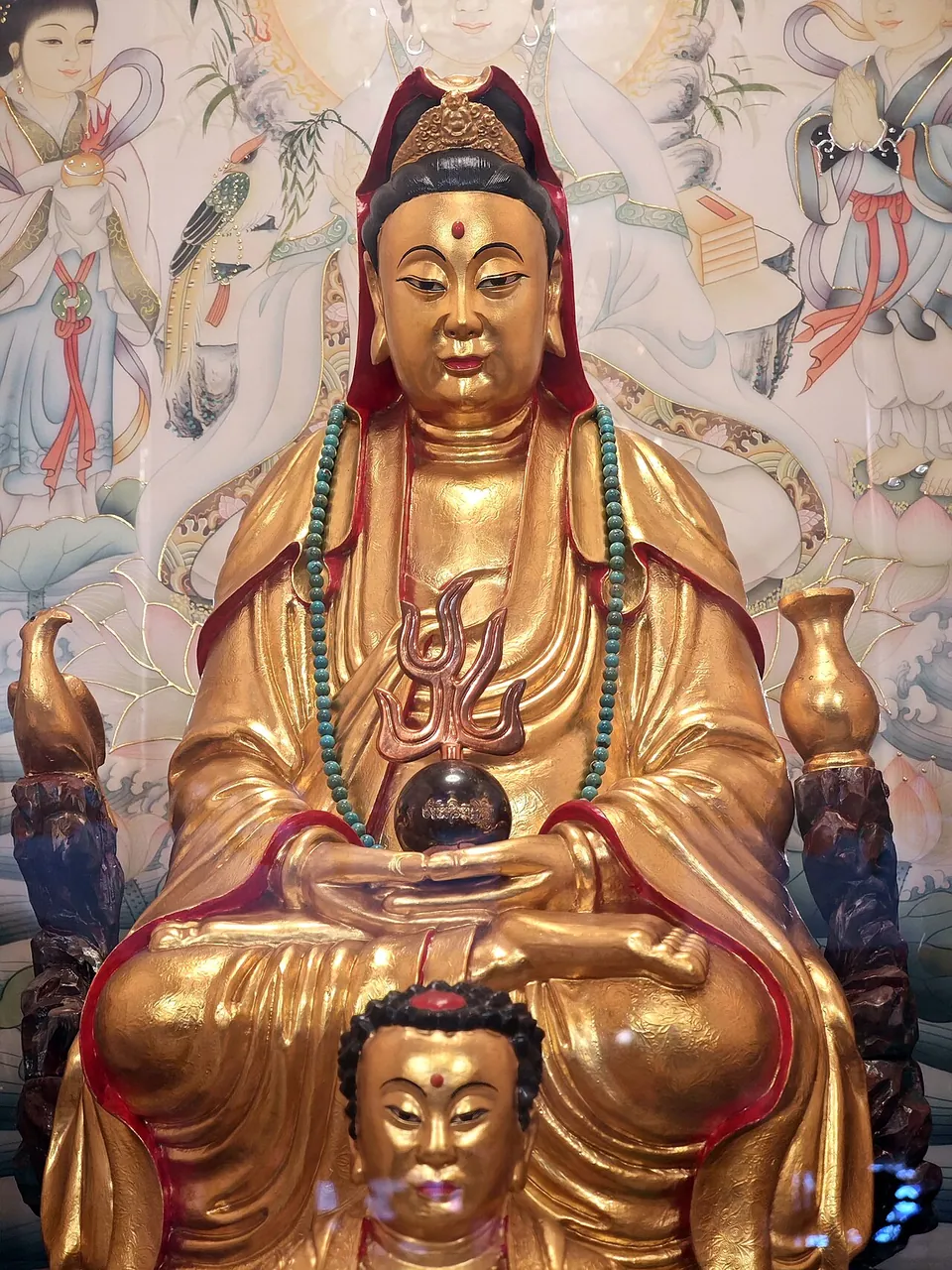
Guanyin, photo 2 of 3
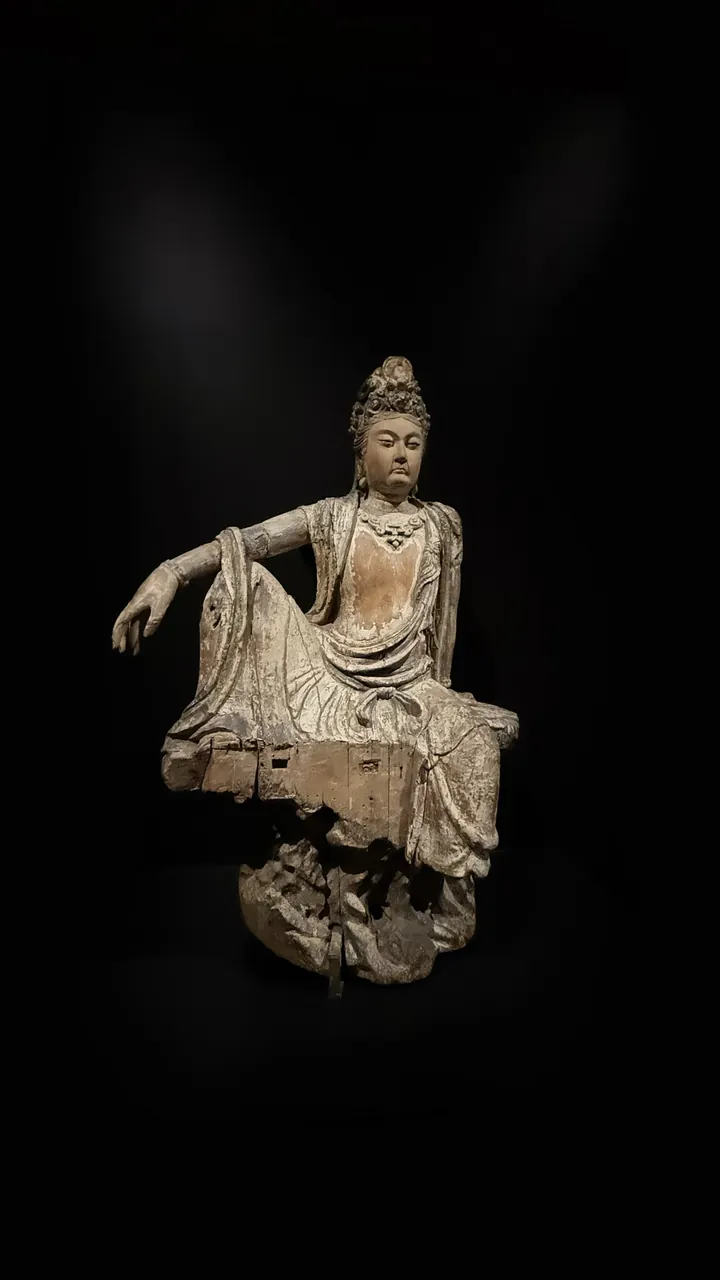
Guanyin, photo 3 of 3

Photo credit

Photo
Guanyin.Sd
By
Loatheasone
Licence
CC BY-SA 4.0
Source
Wikimedia Commons
Changes
Resized

Photo credit

Photo
050 Guan Yin, Brahmavihara Monastery, Melaka, Malaysia, photograph by Anandajoti Bhikkhu
By
Anandajoti
Licence
CC BY-SA 4.0
Source
Wikimedia Commons
Changes
Resized

Photo credit

Photo
039 Guan Yin
By
Anandajoti
Licence
CC BY-SA 4.0
Source
Wikimedia Commons
Changes
Resized

观音

觀音
Guānyīn
proper noun #36,305

Meanings

  1. 1 Guanyin
  2. 2 Bodhisattva of Compassion (Avalokiteśvara)

About Guanyin

宗教人物 religious figure

The bodhisattva of compassion (Avalokiteśvara), the most widely worshipped figure of Chinese Buddhism, usually shown as a woman in white. In 西游记 she guides the pilgrims; her holy island is 普陀山.

Also called  观世音、 观音菩萨

Examples

HSK 7-9
Hěnduō rénjiā lǐ dōu gòngfèng Guānyīn.
Many families keep a statue of Guanyin at home.
HSK 7-9
Pǔtuóshān shì Guānyīn Púsà de dàochǎng.
Mount Putuo is Guanyin's sacred site.

Tips

history
观音 is short for 观世音: the 世 was dropped in the Tang dynasty, partly because it was in the personal name of Emperor Taizong, 李世民, and writing it was taboo. The short form stuck.

In Pop Culture

观音 Guānyīn
Guanyin
Chinese form of the bodhisattva Avalokiteśvara (Sanskrit 'the one who perceives the cries of the world'). Originally depicted as male in Indian Buddhism, Guanyin took on an overwhelmingly female appearance in Chinese Buddhism from the Tang-Song period onward. Revered across Mahayana Buddhism; also appears in 《西游记》 as a key helper to the pilgrims. Sacred site: 普陀山 in Zhejiang.

Stroke Order

观 guān
音 yīn