
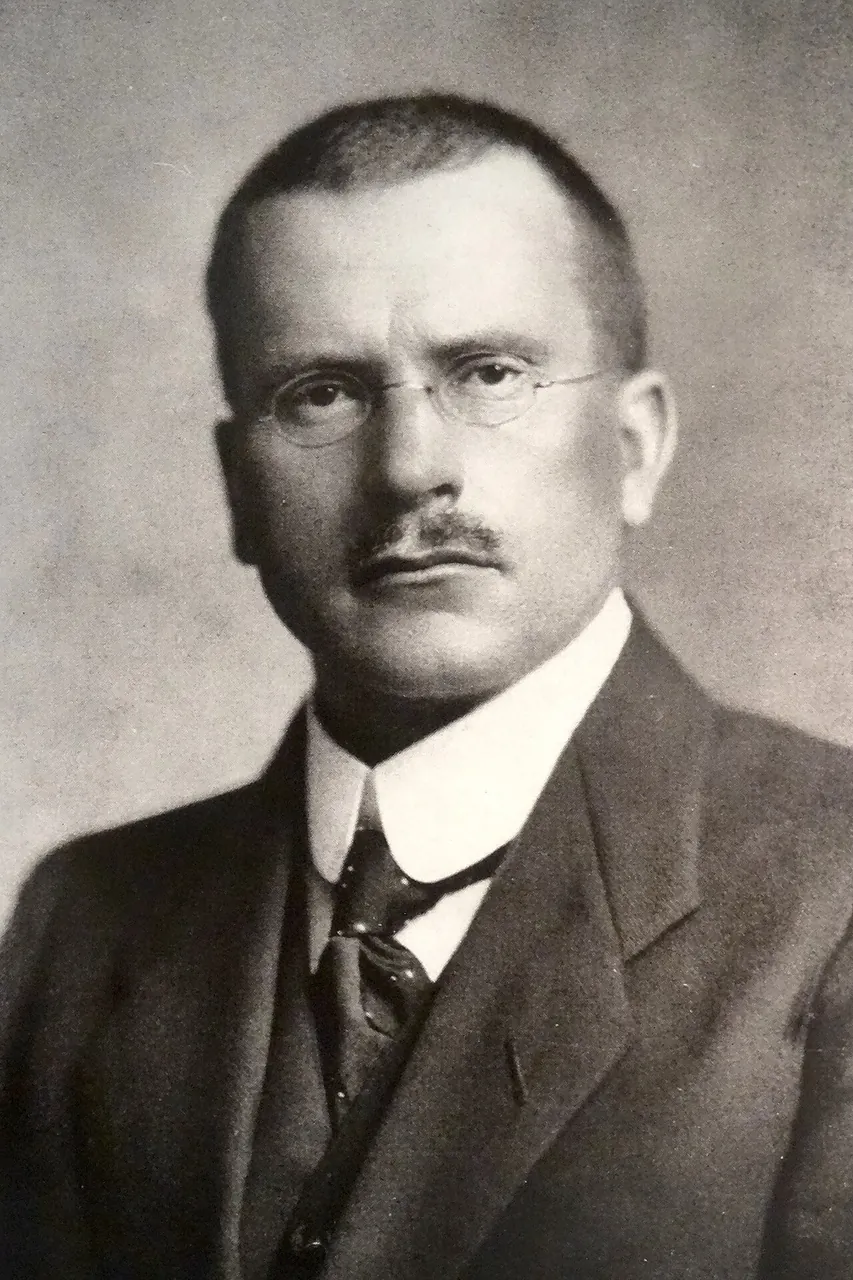
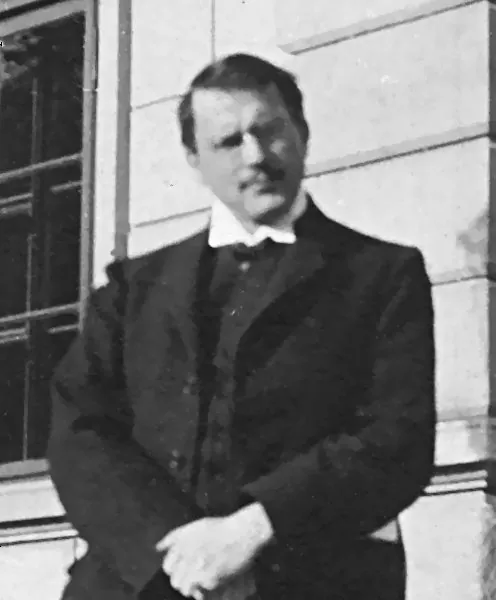
Carl Jung, photo 1 of 2
Carl Jung, photo 2 of 2

Photo credit

Photo
CGJung
Licence
Public domain
Source
Wikimedia Commons
Changes
Resized

Photo credit

Photo
Jung 1910-cropped
Licence
Public domain
Source
Wikimedia Commons
Changes
Resized

荣格

榮格
Rónggé
proper noun #32,802

Meanings

  1. 1 Carl Gustav Jung, Swiss psychiatrist and founder of analytical psychology

About Carl Jung

1875–1961 · 思想家 thinker

Swiss psychiatrist who broke with Freud and founded analytical psychology, with ideas such as the 集体无意识 (collective unconscious). The MBTI tests popular with young Chinese grew from his types of introvert and extravert.

Also called  卡尔·古斯塔夫·荣格

Examples

HSK 6
Tā zuìjìn zài dú Rónggé de zhùzuò.
She has been reading Jung's works lately.
HSK 7-9
Rónggé shì fēnxī xīnlǐxué de chuàngshǐrén.
Jung is the founder of analytical psychology.
HSK 7-9
Rónggé tíchū le jítǐ wúyìshí de gàiniàn.
Jung introduced the concept of the collective unconscious.

Tips

history
Jung was drawn to Chinese thought: he wrote a long commentary on the Daoist meditation text 《太乙金华宗旨》 (The Secret of the Golden Flower) and the foreword to Richard Wilhelm's translation of the 《易经》, linking its oracle to his idea of synchronicity.
culture
His introvert and extravert are 内向 and 外向 in everyday Chinese. Through MBTI they became the slang i人 and e人, 'I-people' and 'E-people', which young Chinese use to call themselves shy or outgoing.

Stroke Order

荣 róng
格 gé